
Tokenized Treasuries Explained
The safest asset in finance is moving onto blockchains. What a tokenized Treasury is, how it works, who is doing it, why it matters for repo, collateral and settlement, and what can go wrong.
By Douglas Borthwick ·
We cover tokenized Treasuries in the newsletter every few weeks.
Join 4,000+ readers. Free, every week.
A Two-Year Note That Settled in Minutes
On October 13, 2026, BNY announced that Citadel Securities had bought a two-year U.S. Treasury note through BNY, that the trade settled within minutes on BNY's private digital ledger instead of the usual one business day, and that the note was then used as collateral in an overnight tri-party repo, with BNY lending the cash. BNY called it the first use of tokenized assets on a major tri-party repo platform. We wrote about it the same week: BNY and Citadel Securities just put a tokenized Treasury into tri-party repo.
That one trade explains why tokenized Treasuries matter more than most of what gets called crypto. Nobody is speculating on a new coin here. The asset is the U.S. Treasury note, the most trusted collateral in the world. What changes is the plumbing: how fast ownership moves, at what hours, and how easily the same note can be pledged, lent and returned.
What a Tokenized Treasury Is
A tokenized Treasury is exposure to U.S. government debt whose ownership is recorded as a token on a blockchain. In practice there are two different things wearing the same label, and it pays to know which one you are looking at.
Tokenized fund shares. This is most of the market today. An asset manager runs a money market or Treasury bill fund and records the fund's shares as tokens. The fund owns the Treasuries; you own a share of the fund. BlackRock's BUIDL and Franklin Templeton's OnChain U.S. Government Money Fund work this way.
Tokenized securities. This is newer and, for Wall Street, more important. The Treasury security itself, or the entitlement to it held at a central securities depository, is represented as a token. DTCC's tokenization service issues tokens that keep the same CUSIP as the underlying security and are designed to carry the same legal rights, economic interest and investor protections. BNY's repo trade sits in this camp too.
Either way, the Treasuries themselves do not live on the blockchain. They sit with a regulated custodian or depository. The token is a faster, programmable record of who owns what.
How It Works: BUIDL as the Example
BlackRock launched BUIDL, the BlackRock USD Institutional Digital Liquidity Fund, on Ethereum in March 2024. The launch documents are a good map of how these products are put together:
The assets. The fund invests 100% of its assets in cash, U.S. Treasury bills and repurchase agreements. It aims for a stable value of $1 per token and pays the daily accrued dividends out as new tokens each month.
The cast. BlackRock manages the money. Bank of New York Mellon is custodian and administrator, holding the actual assets. Securitize is the transfer agent and tokenization platform, which means it keeps the ownership record. PwC audits the fund.
Who can buy. BUIDL shares are sold privately to qualified purchasers, with a $5 million initial minimum. Tokens can move 24 hours a day, 365 days a year, but only to investors who have already been approved.
The fine print. BlackRock's own release says the fund may not be able to keep a stable value of $1 per token at all times, and the interests are not registered with the SEC or listed on an exchange.
Franklin Templeton's fund shows the regulated-fund version of the same idea. Its prospectus describes a government money market fund under the SEC's Rule 2a-7, investing at least 99.5% in government securities, cash and fully collateralized repo, where the transfer agent maintains the official record of share ownership through a blockchain-integrated system and can correct errors and unauthorized transactions.
Who Is Doing It
According to rwa.xyz, tokenized U.S. Treasury products held about $14.6 billion across 119 products and roughly 85,800 holders as of October 23, 2026. The largest at that date:
- Circle USYC: about $2.39 billion
- Ondo USDY: about $2.37 billion
- BlackRock BUIDL: about $2.17 billion
- Franklin Templeton iBENJI: about $1.71 billion
- JPMorgan's OnChain Liquidity Token money market fund: about $0.79 billion
- WisdomTree WTGXX: about $0.76 billion
Put that in context. Dollar stablecoins are around $290 billion on the same site, about twenty times larger, and the Treasury market itself dwarfs both. Tokenized Treasuries are still a rounding error. The reason to pay attention is who is building them, not how big they are today.
BlackRock is building on two fronts. In August 2026 it launched 12 tokenized share classes across six European money market funds, with J.P. Morgan's Kinexys minting the tokens on Ethereum while the official shareholder register stays with each fund's transfer agent. Our read was that the real prize is becoming the wholesale supplier of reserve assets to stablecoin issuers: BlackRock is bringing its cash business onchain.
DTCC, the plumbing behind U.S. securities settlement, ran live production trades with tokenized securities on July 15, 2026 with more than 30 firms, including a Treasury repo trade settled delivery versus payment, collateral pledges, securities lending and margin workflows. It does this under SEC staff no-action relief granted in December 2025 for a three-year pilot, and said the July trades set the stage for its tokenization service to launch in October 2026. Our take, for paid subscribers: DTCC just tokenized real stock and Treasury bonds in live production.
BNY and Citadel Securities showed the repo use case in October, as above.
The European Central Bank launched Pontes on September 21, 2026, a system that settles tokenized trades in central bank money, and said it plans to invest part of its own funds in tokenized euro-area public sector and supranational securities settled through Pontes. Europe's answer is tokenized bonds paid for with central bank cash rather than stablecoins: the ECB just launched Pontes.
Ondo and Franklin Templeton built some of the earliest products. Franklin's onchain fund dates back to 2021, and Ondo runs both OUSG, for qualified investors, and USDY, a tokenized note open only to non-U.S. investors.
Why It Matters: Repo, Collateral and Settlement
The headline benefit people quote is faster settlement. That is true, but it is not the main event. Our view, argued in the DTCC and BNY pieces, is that the near-term win is collateral mobility.
Collateral that moves in minutes. Treasuries are the collateral behind the repo market, margin calls and derivatives. Every hour a Treasury spends in transit between custodians is an hour it cannot be used somewhere else. When BNY settled a note in minutes and pledged it the same day, it showed collateral moving at the speed of the trade.
Fewer failures, less capital tied up. Faster settlement is a risk story more than a speed story. Less time in transit means fewer failed settlements and less capital held against exposures that have not closed yet.
Hours that match markets. Tokens can move at any hour, but be careful with the claim. Subscriptions and redemptions into tokenized funds still follow each fund's dealing rules, and some systems run business hours only. Always-on transfer is not the same as always-on redemption.
Stablecoin reserves. The GENIUS Act lets payment stablecoin issuers hold short-dated Treasuries, overnight repo and government money market funds as reserves, and allows those reserves to be held in tokenized form. That gives tokenized Treasury funds a natural buyer. See our guides to stablecoins and stablecoins for banks.
The Risks
The token is not the legal title on its own. In Franklin Templeton's fund, the transfer agent keeps the official record and can reverse transactions. BlackRock's European tokenized share classes keep the official register with the transfer agent. DTCC's tokens carry pause and clawback controls. That is a feature for regulators and a fact investors should understand.
Not a guaranteed dollar. These are fund shares or securities, not bank deposits. BUIDL's own documents say it may not hold $1 per token at all times. A tokenized fund share carries fund risks, not a bank guarantee.
Who can hold it. Most products require approval before you can receive a token: qualified purchasers only, whitelisted wallets, or no U.S. persons at all. A token you cannot pass to an unapproved buyer is not as liquid as it looks.
Thin markets. rwa.xyz showed BUIDL with 101 holders on October 23, 2026. A small holder base suggests that, in a rush, selling the token can take longer than redeeming the underlying Treasuries. That is our reading of the numbers, not a stated fact about any fund.
Technology and keys. Franklin Templeton's prospectus lists processing delays, undiscovered technical flaws, private key security and hacking among its blockchain risks.
Regulation still in pilot mode. DTC's tokenization runs on SEC staff no-action relief for a three-year pilot. The SEC's September 2026 innovation exemption covers tokenized stocks, not tokenized Treasuries. Our crypto regulation guide tracks where the rules stand.
What It Means for Investors
If you are an individual in the United States, you probably cannot buy most of these products yet, and you may not need to. A tokenized Treasury fund pays Treasury-like yields. As Ali put it on the podcast, it is a cash management tool, not a growth investment.
The bigger story is for anyone who owns the businesses involved: custodians, transfer agents, asset managers, dealers and market infrastructure. Tokenized Treasuries are where blockchain stops being a sideshow and starts changing how the core of the financial system moves collateral. That is the shift to watch, and it is happening inside regulated institutions, on terms regulators can see.
What we are watching next: repeat volume after BNY's first trade, a second counterparty, longer operating hours, any comment from the Federal Reserve, and whether DTCC's tokenization service goes live as planned. For the wider picture, start with what real-world assets are and what a security token is.
Figures are as of the dates stated. Sources include BNY, BlackRock, Franklin Templeton (SEC Form 497K), DTCC, the ECB, Public Law 119-27 (the GENIUS Act), Ondo's documentation and rwa.xyz. This guide is education, not investment advice.
From the Author
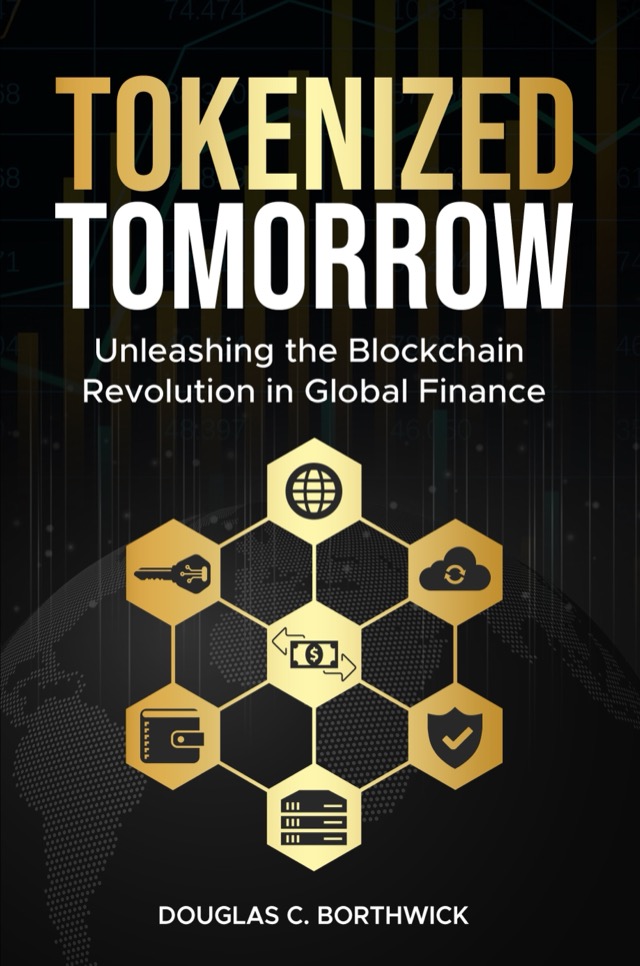
Old Men, New Money co-host Douglas Borthwick has written on this in depth.
Related Conversations
Industry leaders on tokenization and the move of real assets onchain.
Continue Learning
Get the Next Tokenized Treasury Story First
Every week we explain one thing that changed in agentics, tokenization or blockchain, and why it matters to people who manage money. Join 4,000+ readers.